
Most therapy stops at insight. This is built for insight and everything after it.
Most of what gets called dysfunction started as intelligence.
The ways you cope, defend, manage, and get through were built by a younger version of you, facing something real, and they worked. Maybe not perfectly. Maybe not in a way anyone could see. They worked, and that's why they're still running. You are the way you are for reasons that made sense at the time.
Then the situation changes and the strategies don't. They outlive who or what they were for. One day you're getting outcomes you never wanted, produced by something you installed, mostly without knowing it, to survive what you were living through then.
Sometimes nothing went wrong at all. You're just somewhere new, and what got you here isn't what the next part asks for.
Either way, nothing is broken. The question is what needs to shift, evolve, or integrate to meet the life you're actually in, and the one you want.
Most people feel relief hearing it put that way, after years of believing something was wrong with them or with everyone else.
I stay curious past the point where a situation looks explained.
Most real situations hold more than one true thing at once, and the rush to resolve that early is where this work usually goes wrong in the long run. Complexity doesn't have to settle before we can move, and we don't board a runaway train just because it makes sense. That holds even when the stakes are high and the clock is real.
I'm paying attention to several things at once: what's hurting you and getting in your way, what in you has withstood it, and what works for you. All three are always there. Your resilience is the one most often overlooked, and it's what we build on.
The harder something is to say out loud, the more likely it is the thing that matters. When we meet, I'm ready for whatever our time together requires.
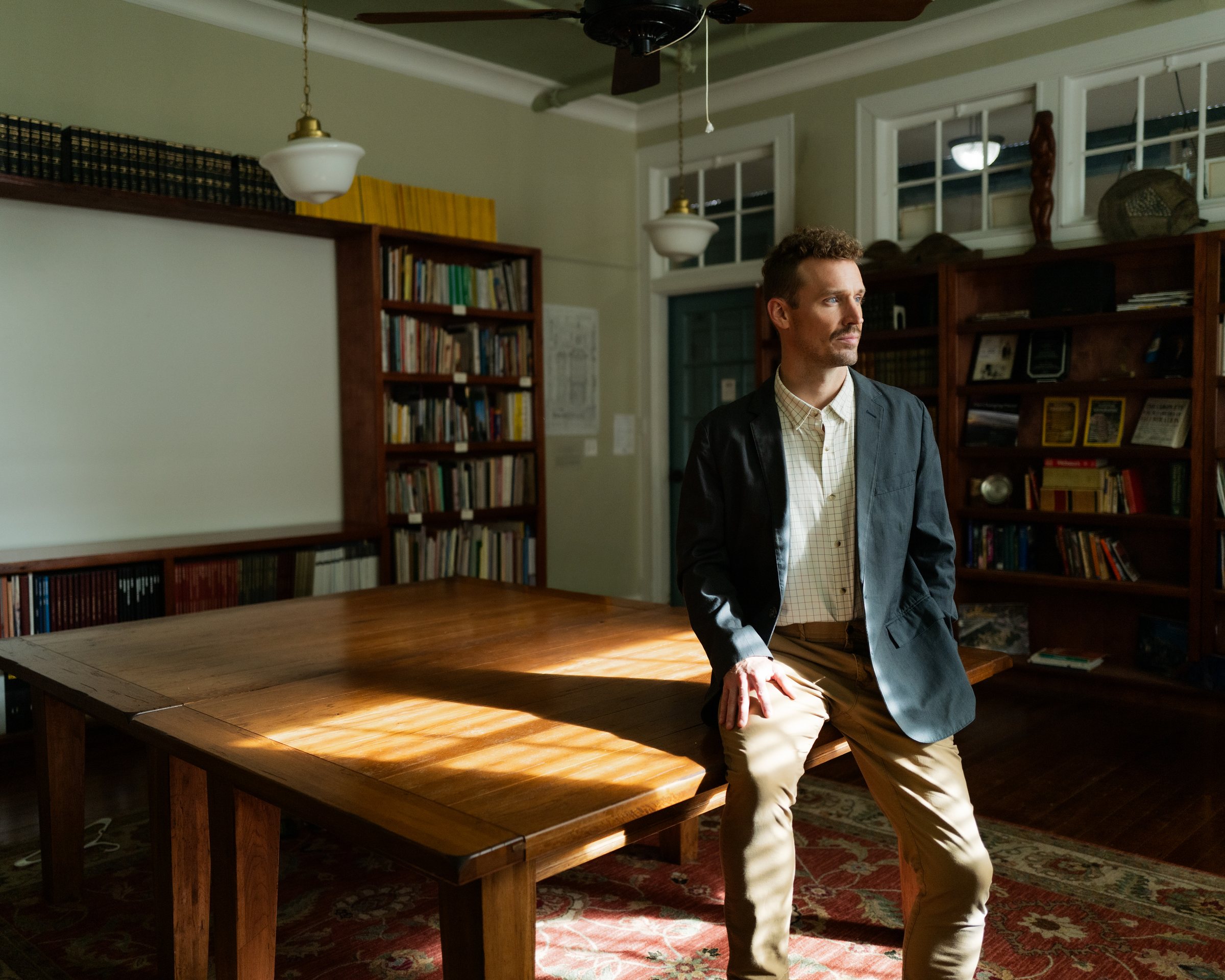
Complexity doesn't have to settle before we can move.
From the first conversation to the last. A written plan by your third session.
-
A free consultation
Twenty-five minutes by video. You tell me what's going on. We decide on fit together, and you get direct answers to your questions before anything is scheduled.
-
Calm and clarity, sessions one to three
We build trust. If something is acute, we stabilize it first. Then we get oriented: what's actually happening, what's driving it, what you really want and why, and what has to be handled first. By the end of session three you have a written picture of the situation and a plan you believe in, and we go through it together before you leave. If we don't get there, we talk about next steps openly.
-
The work, built to end
Weekly or biweekly sessions. Clarity about what you actually want, movement on the plan, and then the part that decides whether any of it lasts: application, accountability, adjusting as the situation changes, enough steadiness to see it through. Your goals are the goals. What I'm also after is that you walk out able to do this without me.
-
How it goes
We stay curious about you and your goals as things move, and we take what comes up along the way. What's in the way is the way. The process isn't linear, and I won't pretend it is. "Seven steps to an unlocked life" markets well; people don't change by rationalizing their way down a sequence. They change by holding a state: awake, curious, responsive. It's closer to dancing. You can learn a dance step by step, and it fits one narrow beat. Learn to hear the music and move to it and you can dance to anything, and you start enjoying it instead of getting through the song. Science, research, and method are part of what I bring, and they only work when they fit the moment. This work teaches both: the steps, and how to hear the music of your life and the people in it.
-
After
There is an after. That's the intention from the start, never rushed and never belabored. You've found a way through what mattered most and learned the art of it, because the music doesn't stop. You've also built a relationship with someone who knows you. Former clients are always welcome back, to ground, clarify, or unblock whatever shows up, often years later and usually faster than they expect.
Between Sessions, for the stretches that need more.
Some seasons don't fit inside a weekly hour. A decision is live, a relationship is volatile, a pattern you've just seen is showing up every day. For those stretches I offer a second layer alongside the sessions:
- A 20-minute custom check-in each week, built around the specific areas we're working on: to keep them in view, catch what's drifting, and deal with the week's fires before they take the session.
- Secure messaging and phone access in between. I answer the same day when I'm able, and within one business day on weekdays.
- Thirteen check-ins over three months to start, then month to month. Most people need it for about three months.
Over and over, this is what keeps small fires from becoming big ones. Each check-in is billed as its own appointment, with the extra access included. Messaging and phone access aren't for emergencies; what to do in one is spelled out in writing before we start.
Inside the person, and around them.
I work with how you think, feel, behave, and relate, and with the circumstances: your marriage, your family, the company you run or answer to. You are a system, and you live inside systems, and they're interdependent. Movement anywhere creates movement everywhere; a block anywhere creates stuckness everywhere. I get called in most often when the thing that needs to change is entangled through a person's whole life.
Couples and families. Everyone heard, everyone accountable.
I work with couples and families as often as I work with individuals, and the orientation is the same: differentiation, honest reckoning, personal responsibility, and informed consent to whatever comes next.
I hold the relationship and the people inside it with equal seriousness, and I don't take sides. I'm not attached to a particular outcome for you. I'm attached to you choosing it with your eyes open.
Couples and family sessions run 80 minutes. Fifty isn't enough for two or more people to get somewhere and land.
I'll name what I see. I won't let the name become who you are.
I'm diagnostically informed and I use it where it serves the outcome. Sometimes that means saying what I see in the language of diagnosis, attachment, trauma, or personality structure, because the right name can unlock years of confusion in a sentence.
What I won't do is treat the name as the answer or let it harden into an identity. A description of a pattern is not a description of a person. I'm particularly attuned to how narcissistic defenses, borderline features, and complex trauma show up in high-functioning adults, and in their close relationships, who would never think of themselves that way. I say this because I can work with these dynamics without flinching, and not everyone can. I don't go looking for labels and I don't impose them.
What changed wasn't the quality of my thinking. It was who was doing the thinking.
From the letter The ceiling of trying harder