
Teaching built for the room, from what the group is actually carrying.
Trainings and workshops for groups, teams, and organizations. Custom each time. There's no slide deck waiting on a shelf.
Most teams already know what's wrong. They don't have language for it yet.
I come in, listen first, and then teach and facilitate to what's in the room. The same clinical thinking I use with individuals and families, about how people cope, defend, communicate, and change, translated for a group of adults who have to work together on Monday. The work of Patrick Lencioni informs my approach.
It's teaching, not a program. A half day or a full day, sometimes a series. The content is built from a conversation with you about what the group is facing, and it changes if the room needs it to.
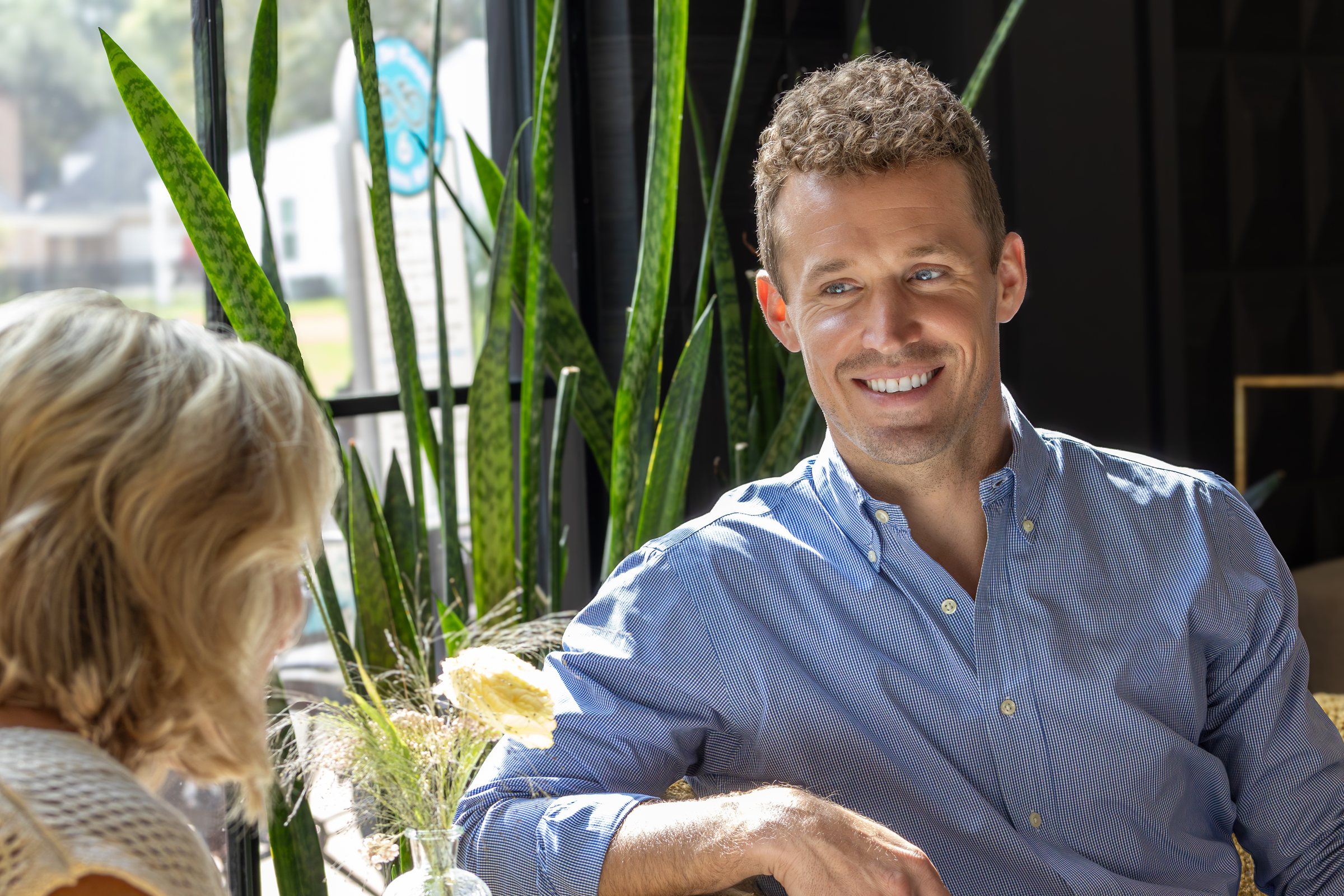
Most teams already know what's wrong. They need shared language for it and a shared way forward.
What I teach.
For teams, companies, faith communities, non-profits, and groups of any kind. Built for development and growth, or for the live challenge that needs support. Onsite or virtual.
Stress, and what wellness actually requires
How a nervous system under sustained pressure behaves, and the practices that regulate it. The honest version, not the poster.
Healthy conflict and functional communication
The factor that empowers or disables any system. Saying the real thing without it going sideways. What makes a room safe enough to disagree in, and what quietly makes it unsafe.
Self-awareness that turns into behavior
Techniques developed over my career, plus Working Genius and the Enneagram as working tools, not party games. I'm certified in Working Genius and use it with leadership teams, families, and marriages for a shared language about how people work best, without shame or blame.
How growth and healing got tangled up with comfort
Why so much well-intended support stabilizes people and stops there. What it takes to help someone advance.
Maladaptive coping, met with compassion and not enablement
Most of what gets called dysfunction started as intelligence. How to hold that view of the people in your world and still hold the line.
Crisis care, and moving forward after
What people need in the acute stretch and what they need once it passes, which is different, and usually missed.
How faith and clinical practice connect
For faith communities and organizations that want both taken seriously, without one being used to dismiss the other.
Where this ends and something else begins.
A training is a bounded piece of teaching. If what your organization needs is ongoing work with a leadership team, a founder, or a family business, that's a different engagement and it runs through my advisory practice, Parson & Partners. I'll tell you which one you're describing in the first conversation.
Tell me about the room.
Who's in it, what's going on, what you'd want to be different afterward. I'll reply within one business day with whether I'm the right person and what I'd propose.